BJJ physics: what happens if you don’t tap
By Scott Flear, founder of JitsAI.
Every submission in jiu-jitsu is physics: a choke squeezes the neck until blood flow to the brain drops, and a joint lock uses a lever to bend or twist a joint further than it’s built to go. Tapping stops both before the damage starts. Each guide below explains one submission with a short “what happens if you don’t tap” video, the anatomy behind it, how to do it and how to train it safely.
Most chokes are blood chokes. They squeeze the carotid arteries on the sides of the neck, which is why a well-locked choke works in seconds and a badly locked one just hurts. A few, like the guillotine and the Ezekiel, lean on the windpipe too. The rear naked choke guide explains the difference in detail.
Joint locks are levers. Your hips, wrist or legs are the pivot, their limb is the lever, and a small push a long way from the pivot puts a lot of force on the joint. That’s how a smaller person finishes a bigger one, and why the load comes on faster than people expect. The knee in particular can give little warning before damage.
The rules are the same everywhere: tap early, let go the moment your partner taps or goes limp, and learn submissions under a qualified coach.
Chokes
Most chokes are blood chokes: they squeeze the arteries on the sides of the neck. A few lean on the windpipe.
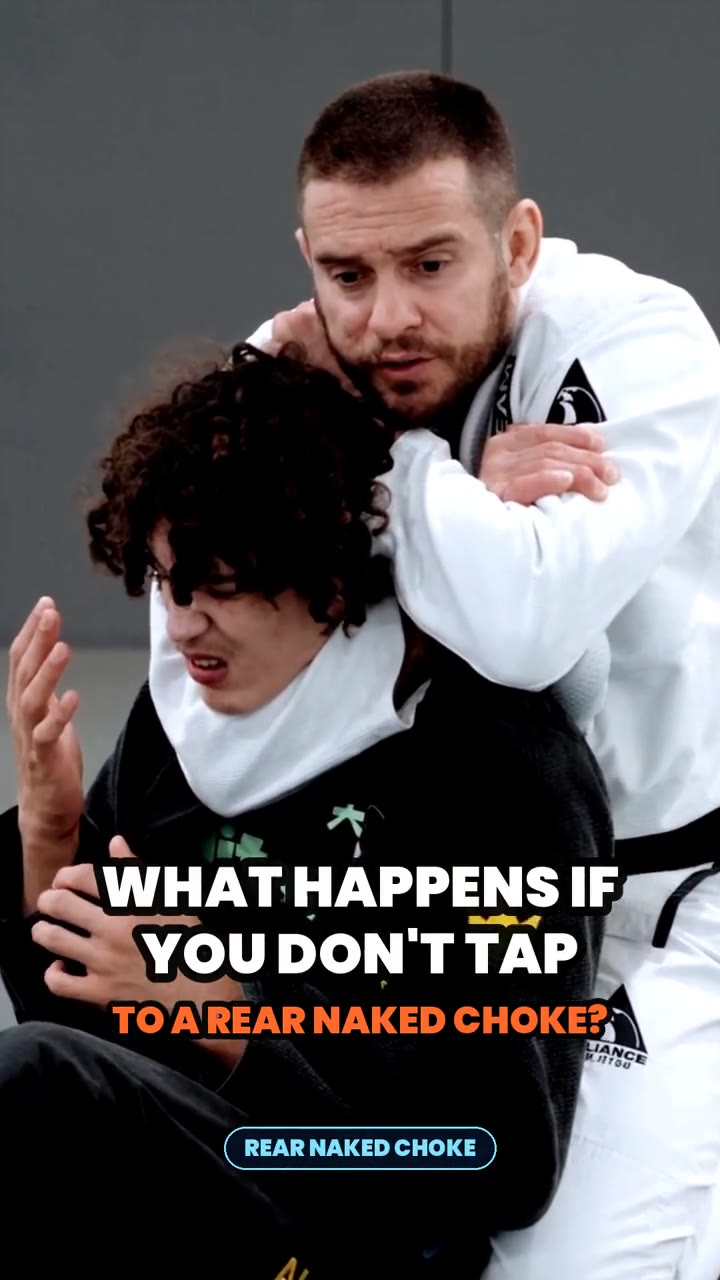 Rear naked chokeBiceps and forearm close both sides of the neck from the back.
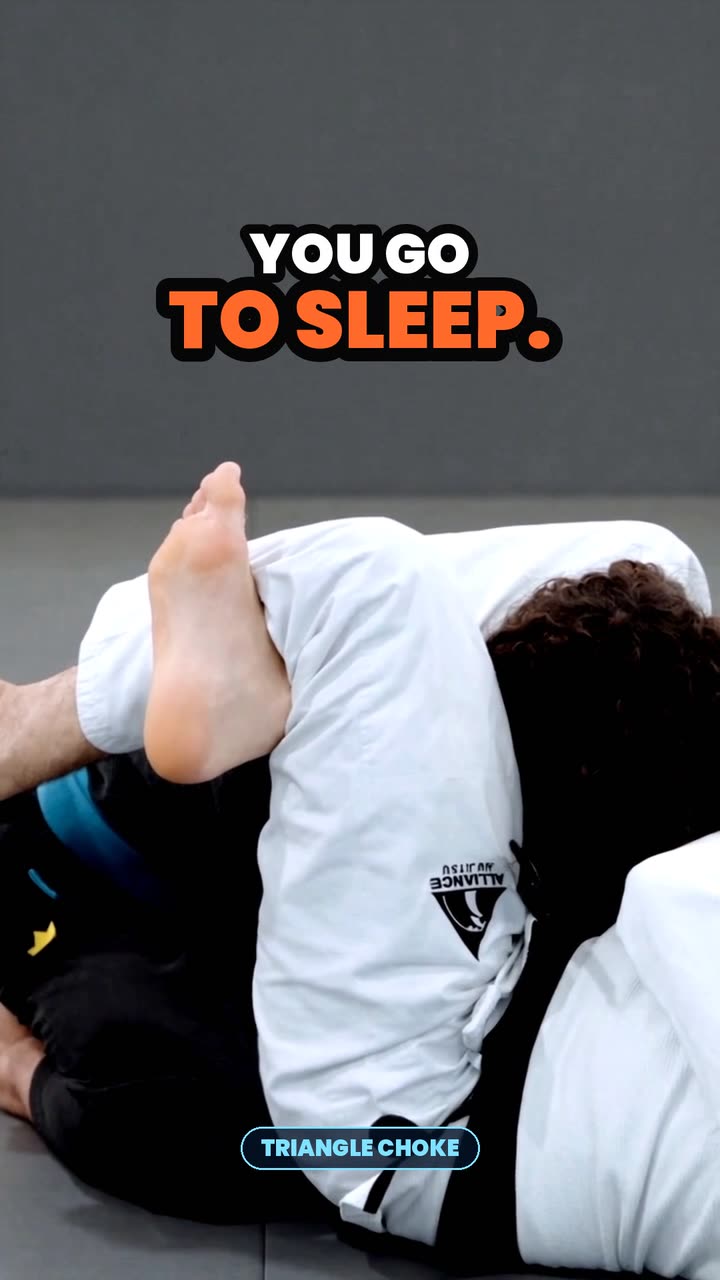 Triangle chokeYour thigh on one side of the neck, their own shoulder on the other.
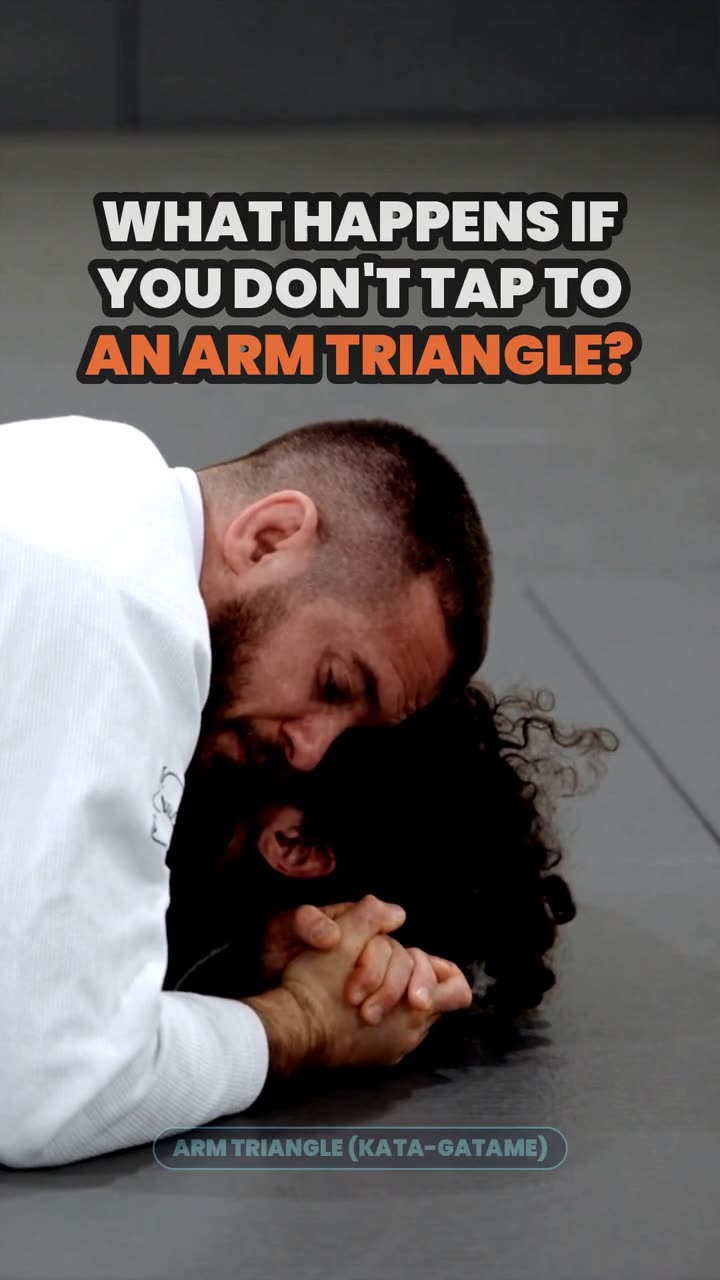 Arm triangleThe triangle done with your arms: their shoulder against their neck.
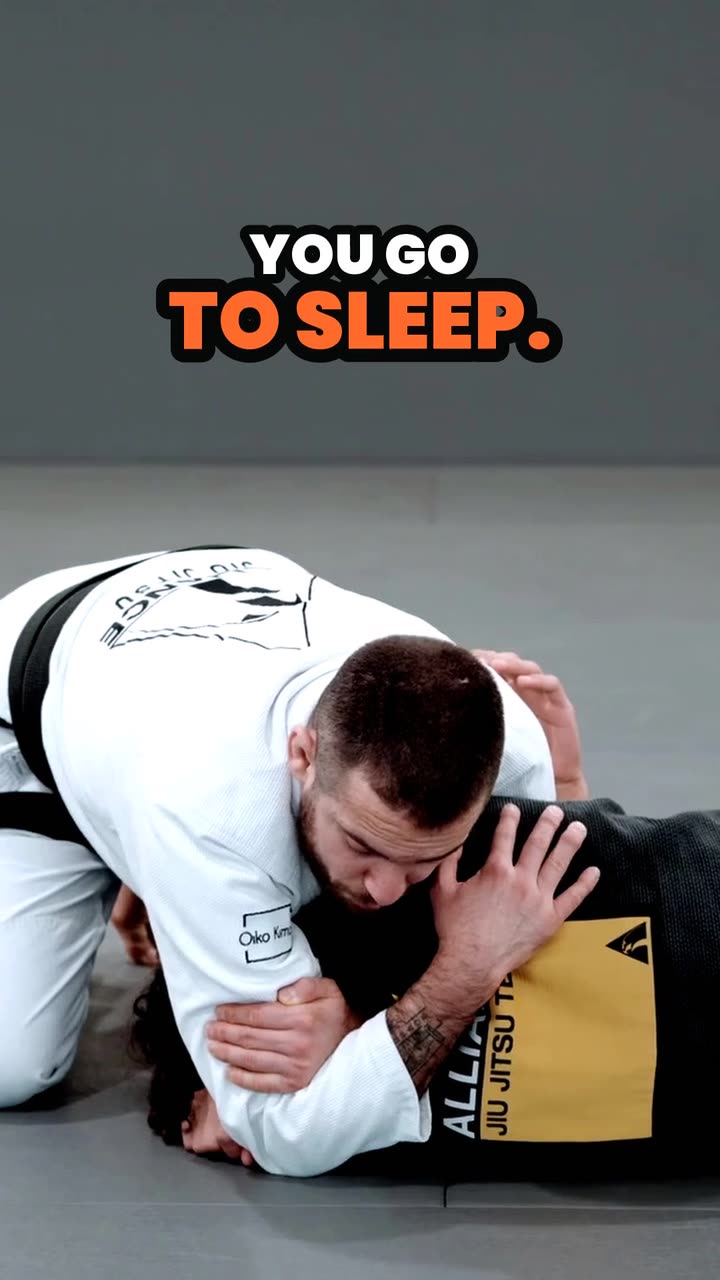 D’Arce chokeThe arm-triangle shape from the front headlock, threaded under the armpit.
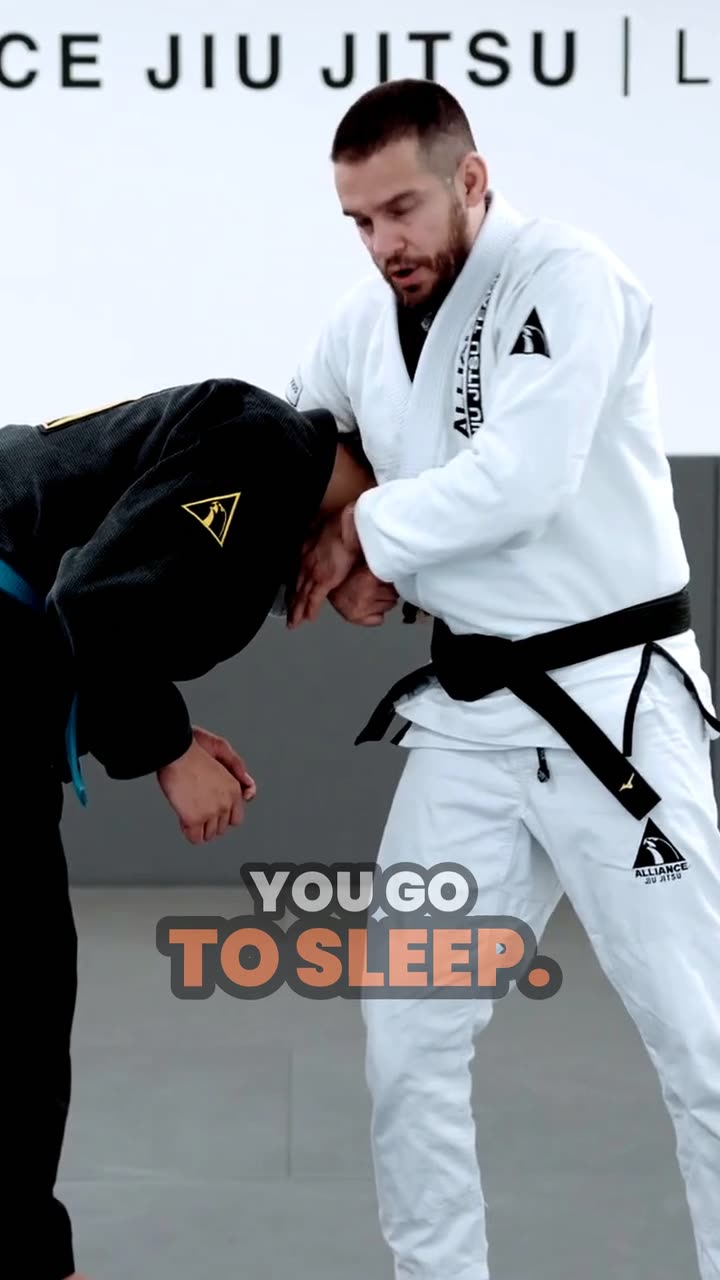 Guillotine chokePart air choke, part blood choke, and hard on the throat.
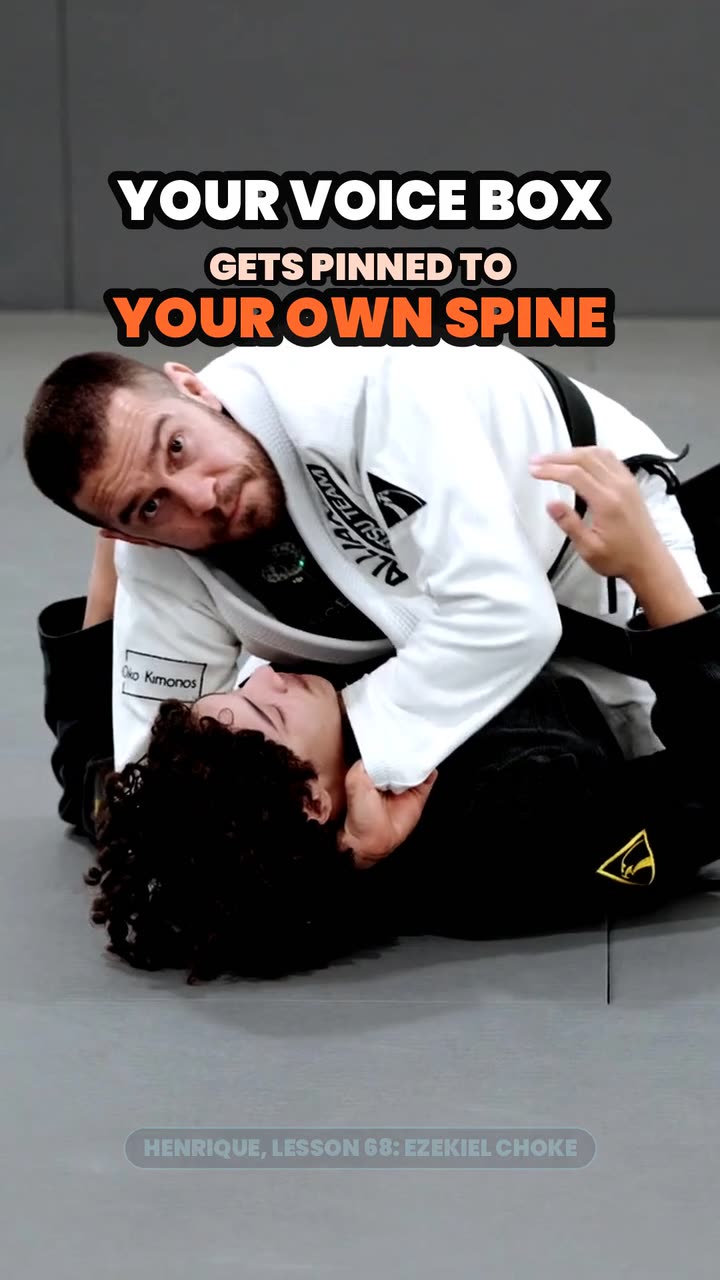 Ezekiel chokeA forearm across the throat from inside your own sleeve.
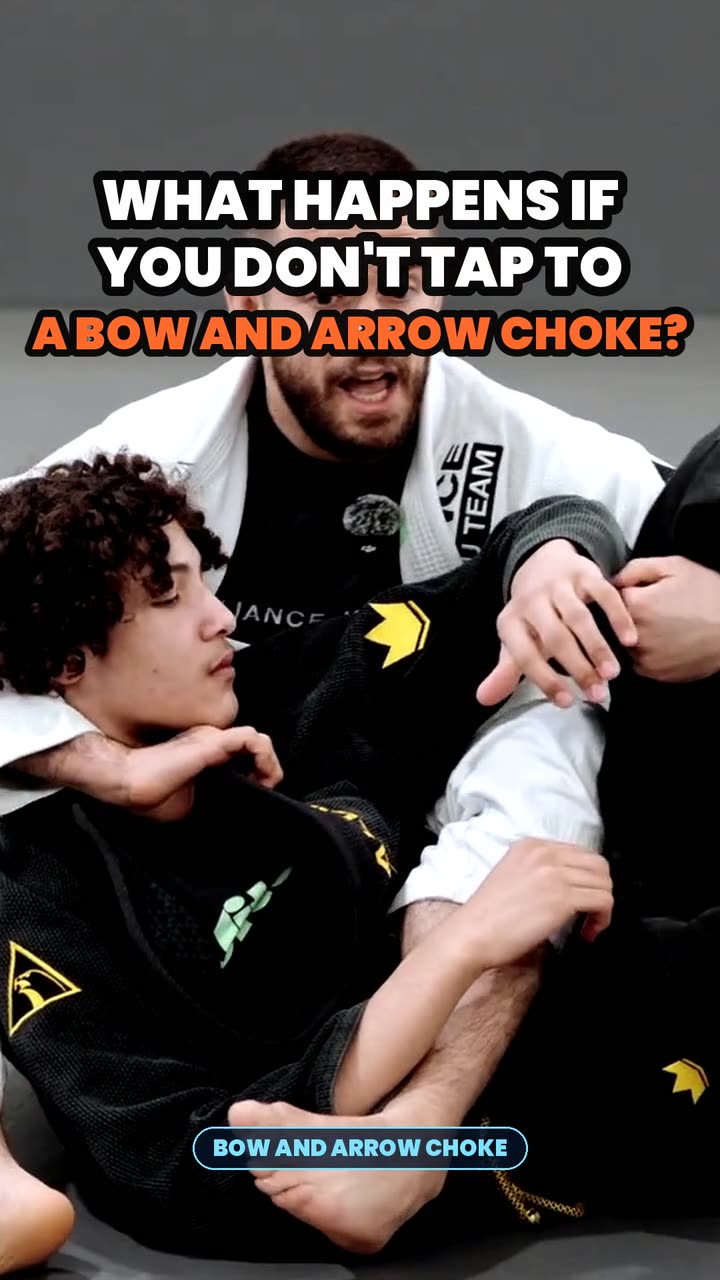 Bow and arrow chokeTheir own collar closes the neck as you bend them like a bow.
Arm locks
Levers on the wrist, the elbow and the shoulder. Each one bends or twists a joint further than it’s built to go.
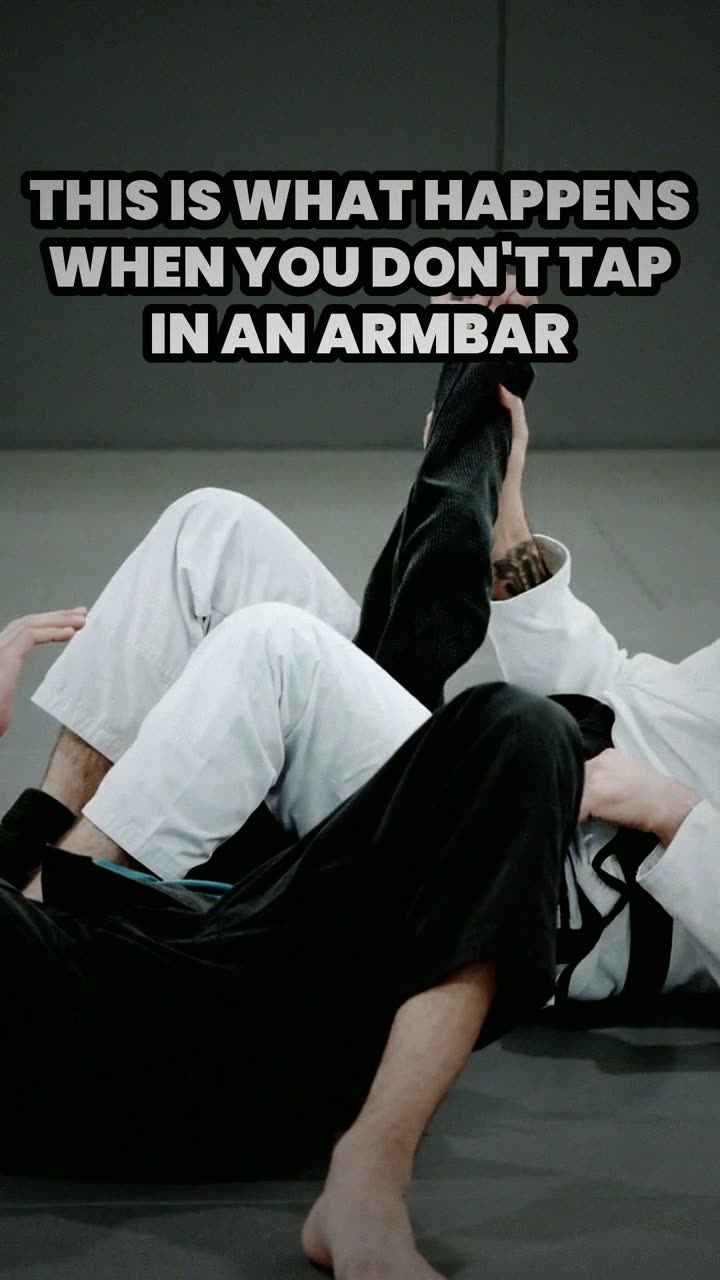 ArmbarYour hips are the pivot, their forearm the lever, the elbow the hinge.
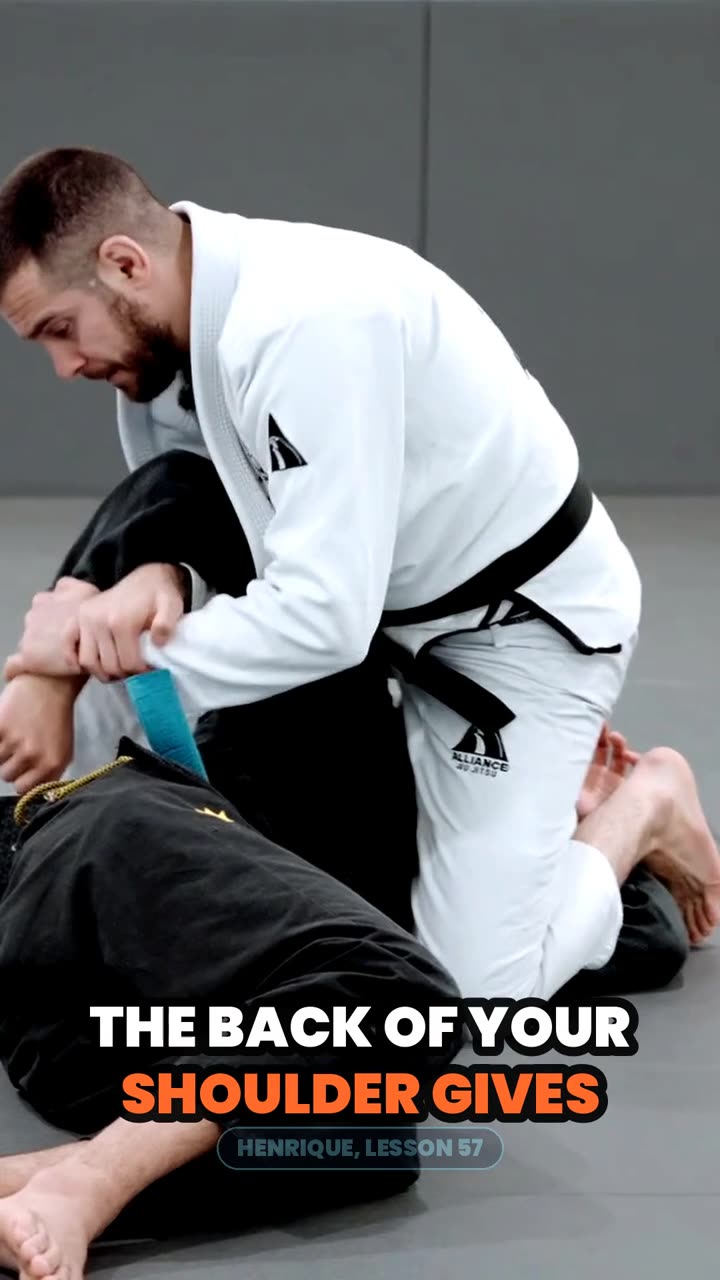 KimuraA shoulder lock: the bent arm twists inwards, hand behind the back.
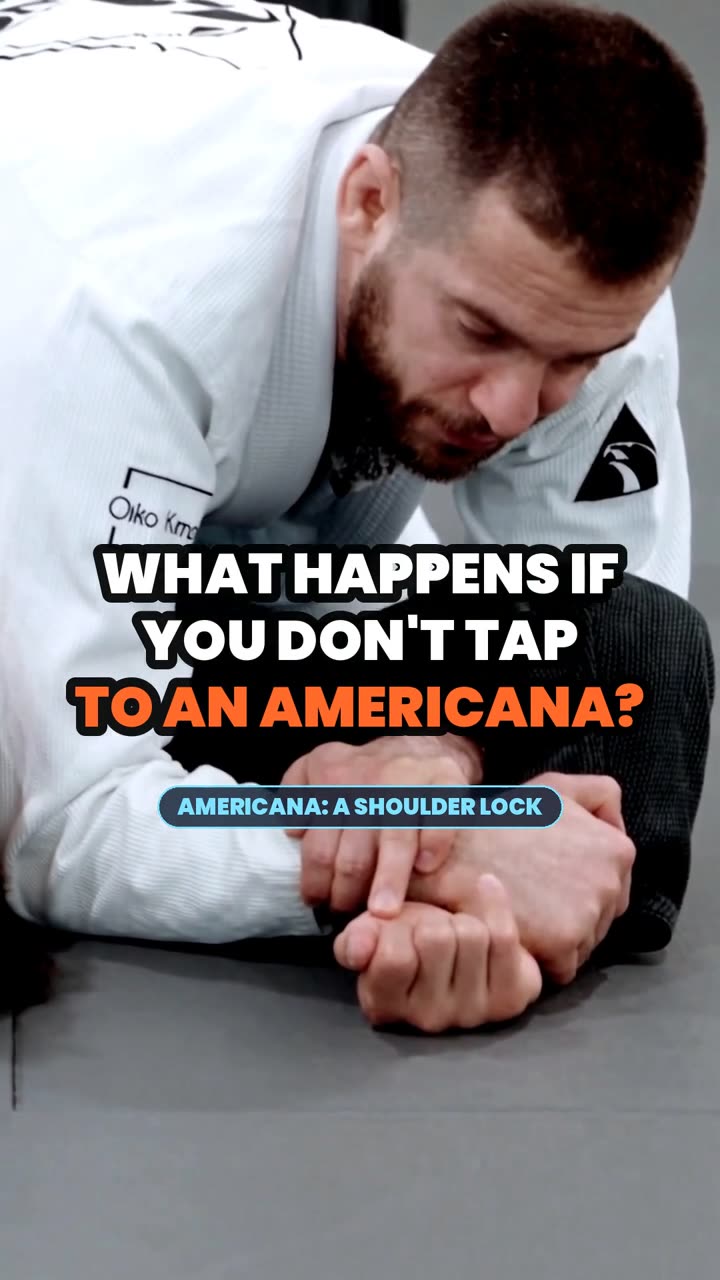 AmericanaThe kimura grip turned the other way: the front of the shoulder and the inner elbow.
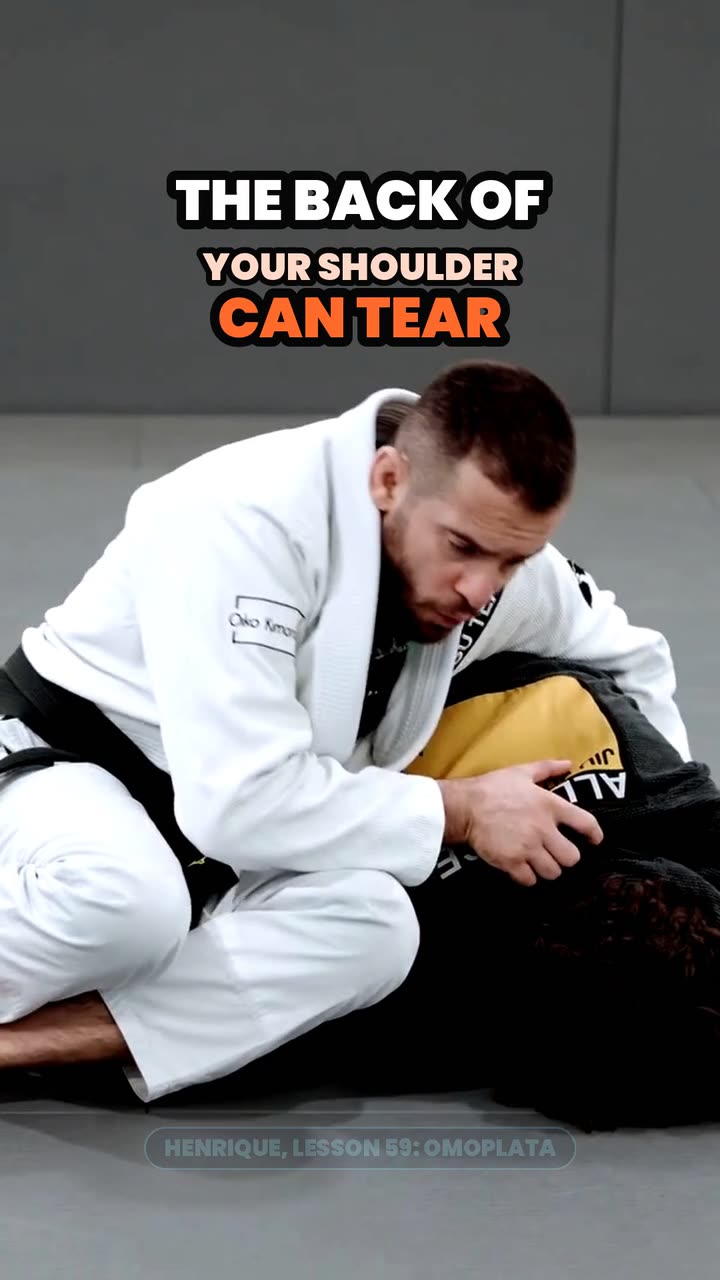 OmoplataA kimura done with your legs, from guard.
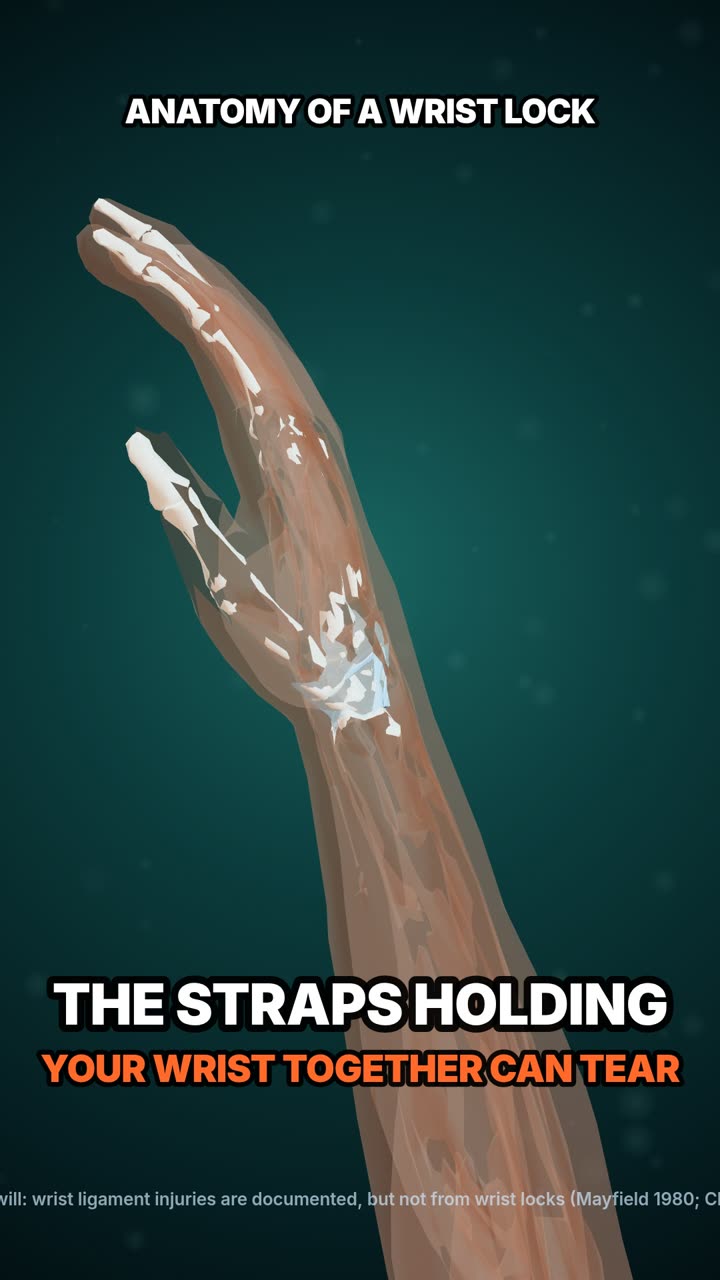 Wrist lockPin the elbow and the hand becomes the lever, the wrist the hinge.
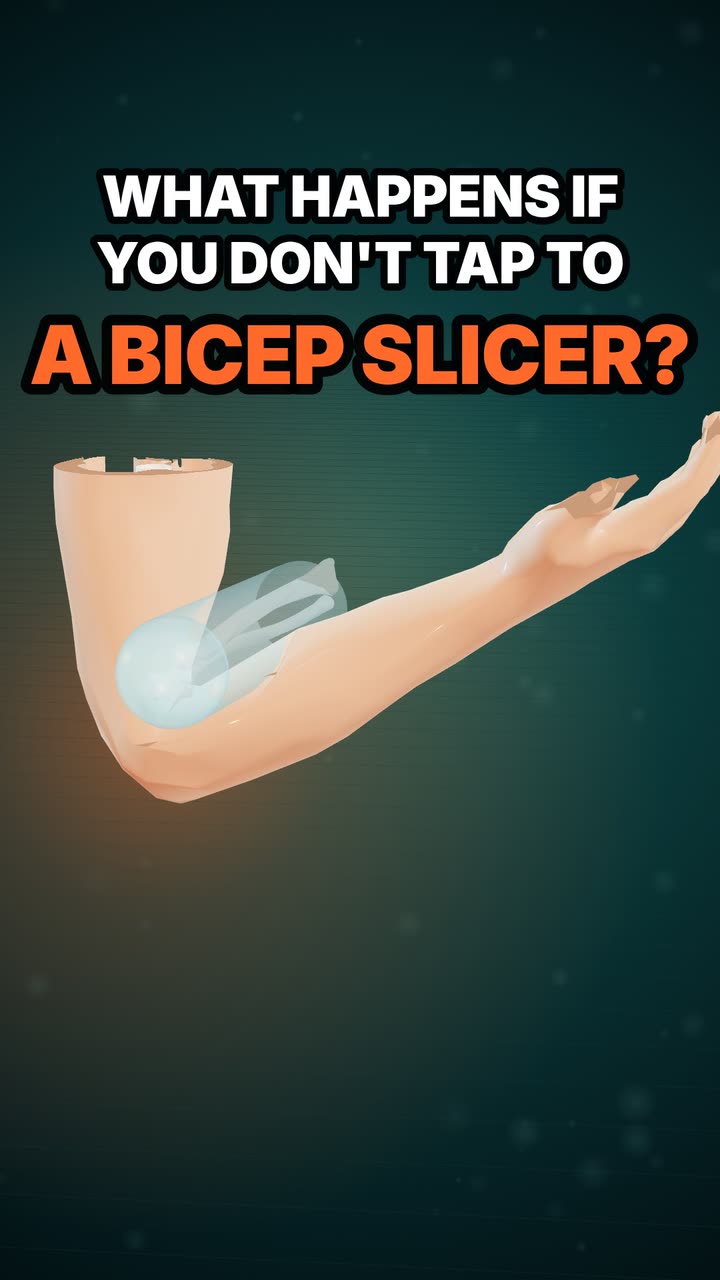 Bicep slicerA wedge in the crook of the elbow: a crush and a pry at once.
Leg locks
The hips, the knee and the ankle. The knee can give little warning before damage, so tap as soon as a leg is trapped.
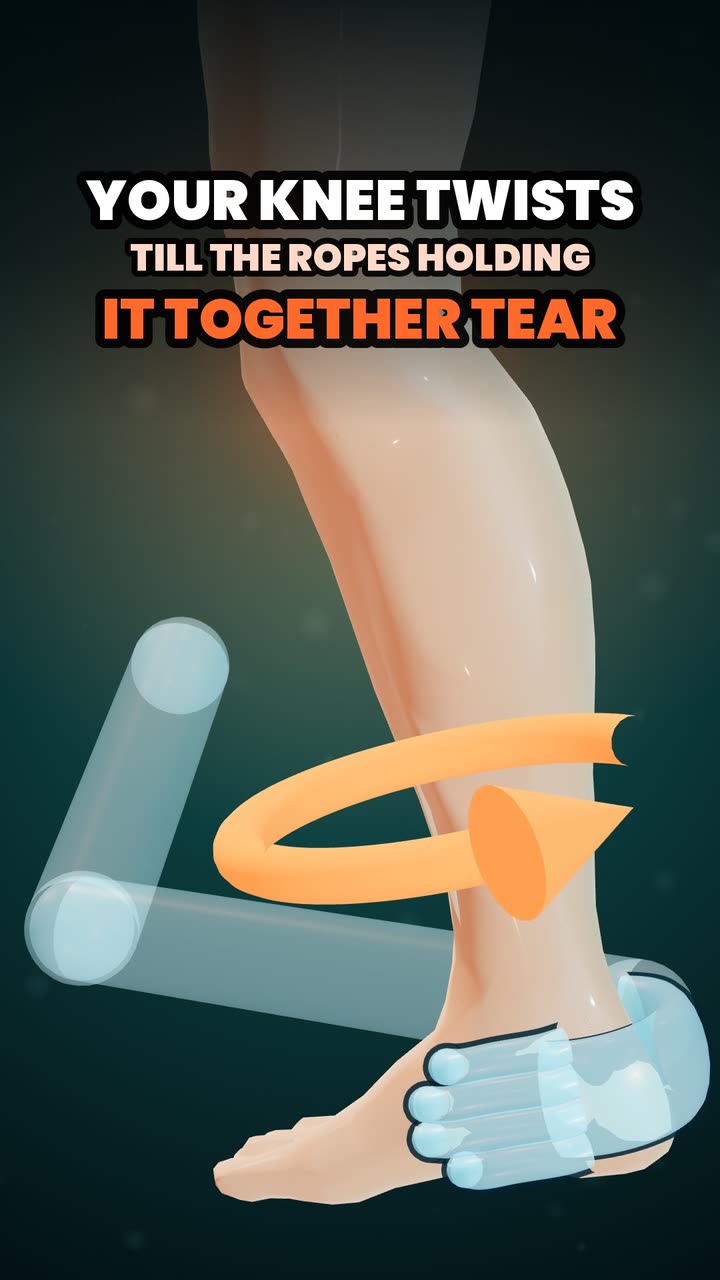 Heel hookThe heel is a handle that twists the knee. Inside vs outside.
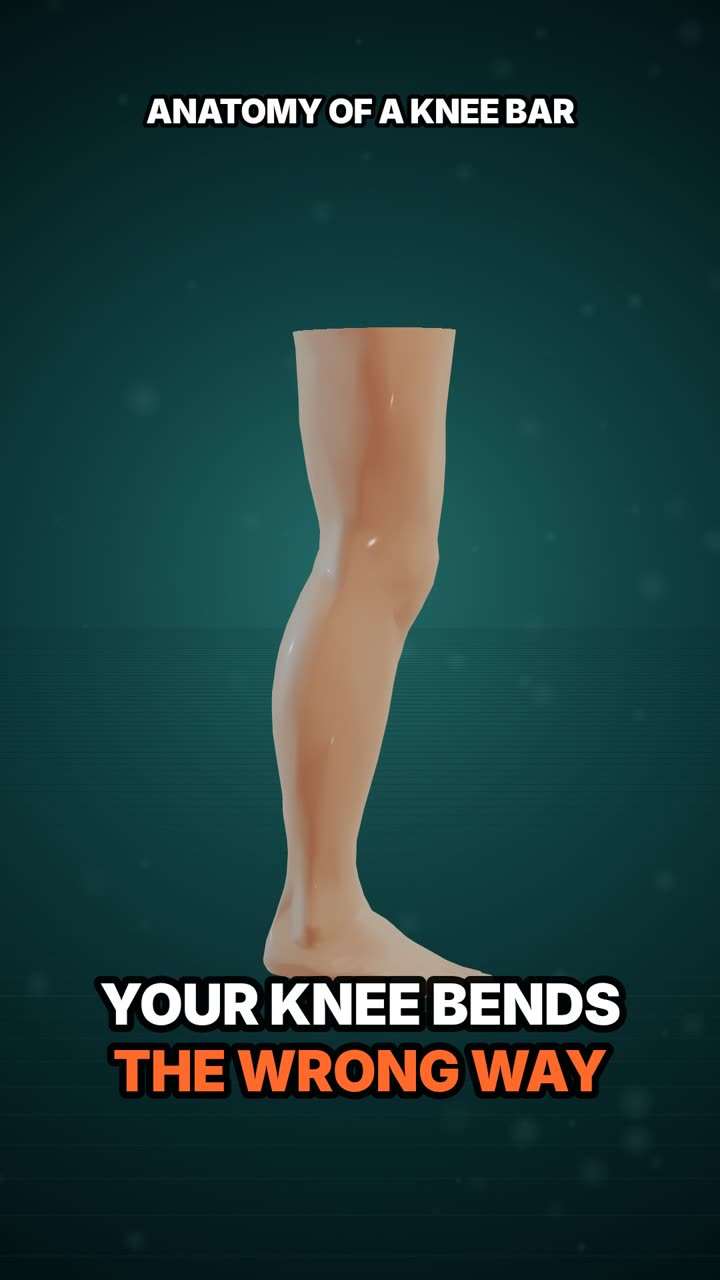 Knee barAn armbar for the leg: the knee bends backwards over your hips.
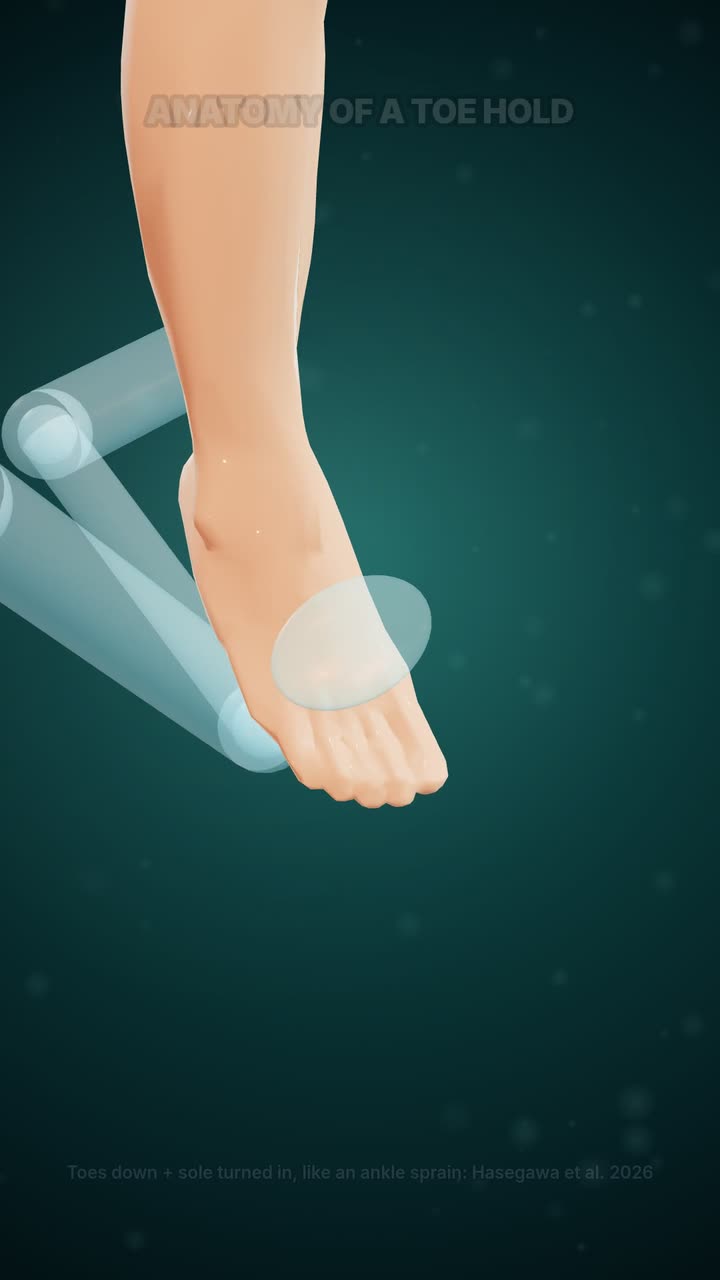 Toe holdA kimura grip on the foot that rolls the ankle.
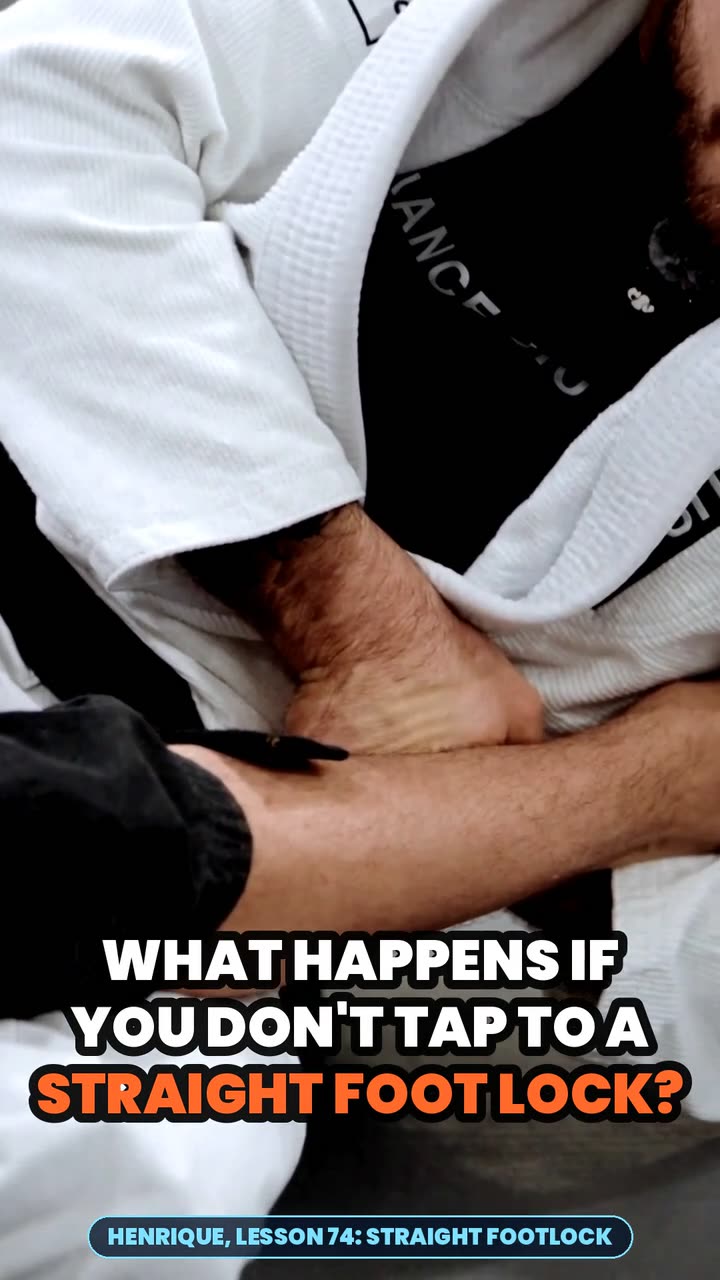 Straight foot lockThe foot bent past pointing over a wrist on the Achilles.
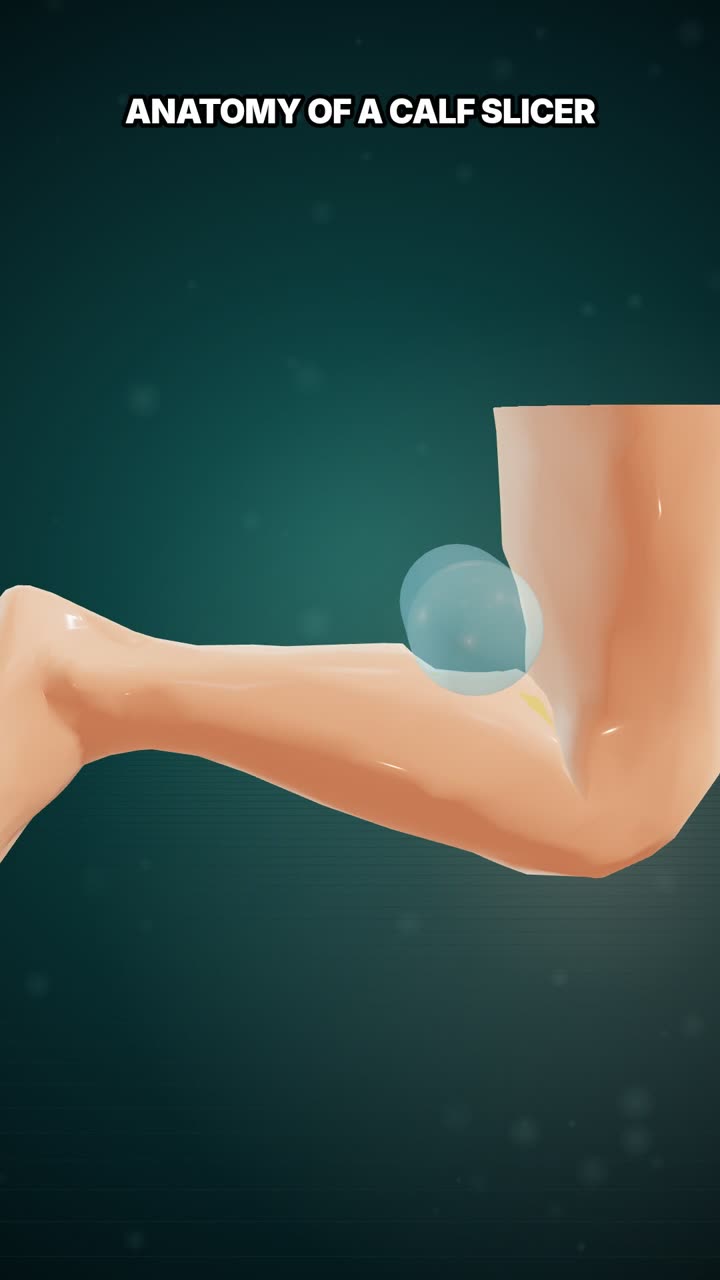 Calf slicerA shin behind the knee: the calf hurts first, the knee is at risk.
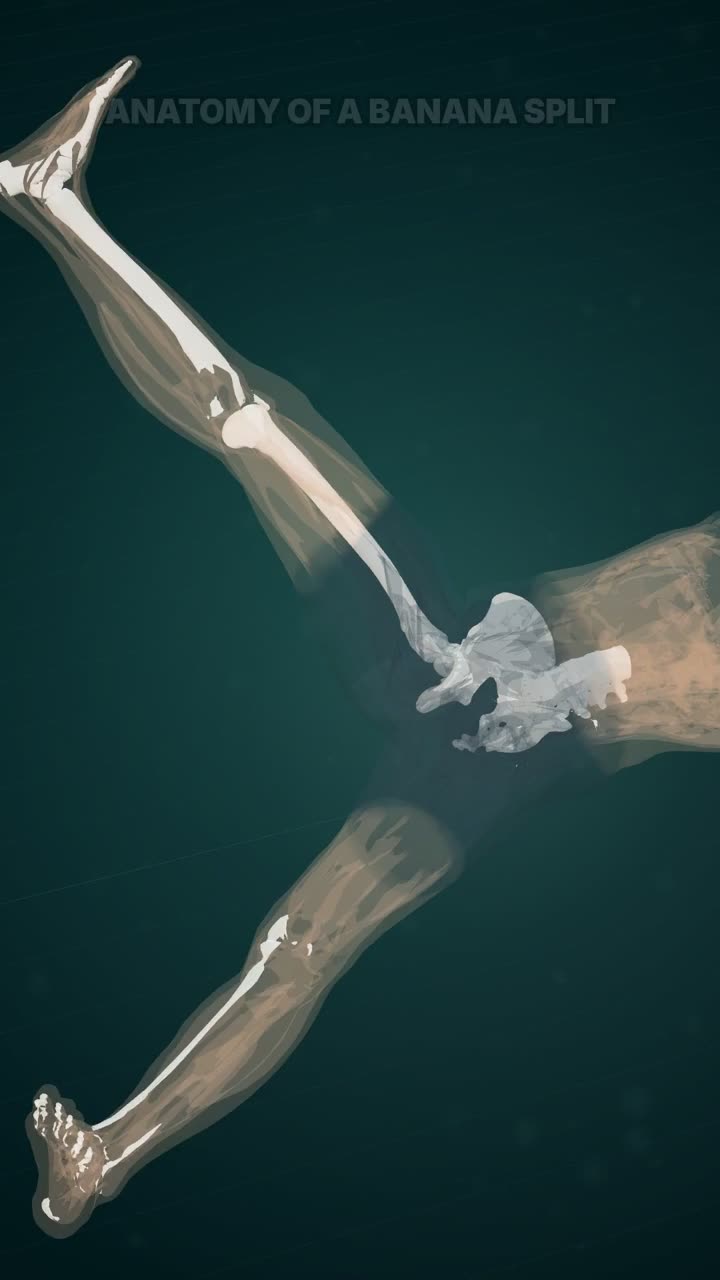 Banana splitForced splits: the groin and the hamstrings take the stretch.
Neck cranks
Not chokes: a crank bends the neck itself, and you stay awake while it happens. Illegal at IBJJF events at every belt.
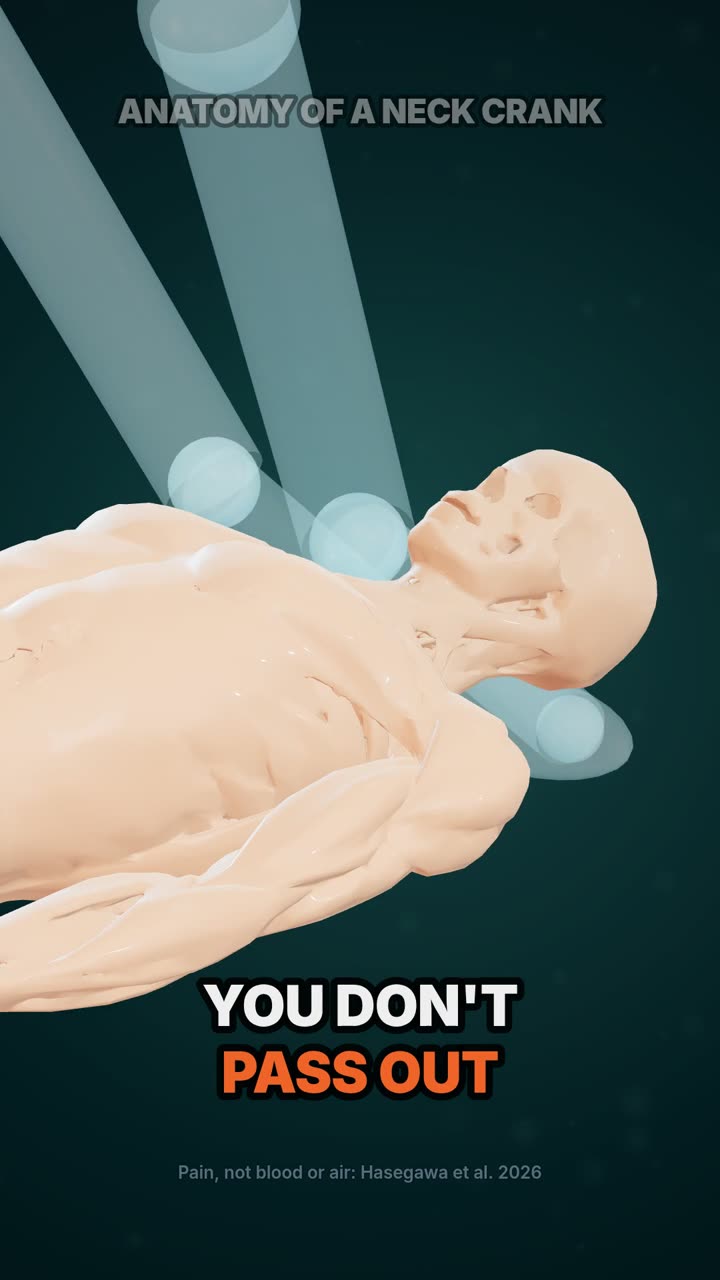 Neck crank