The best BJJ techniques for white belts: what to learn first
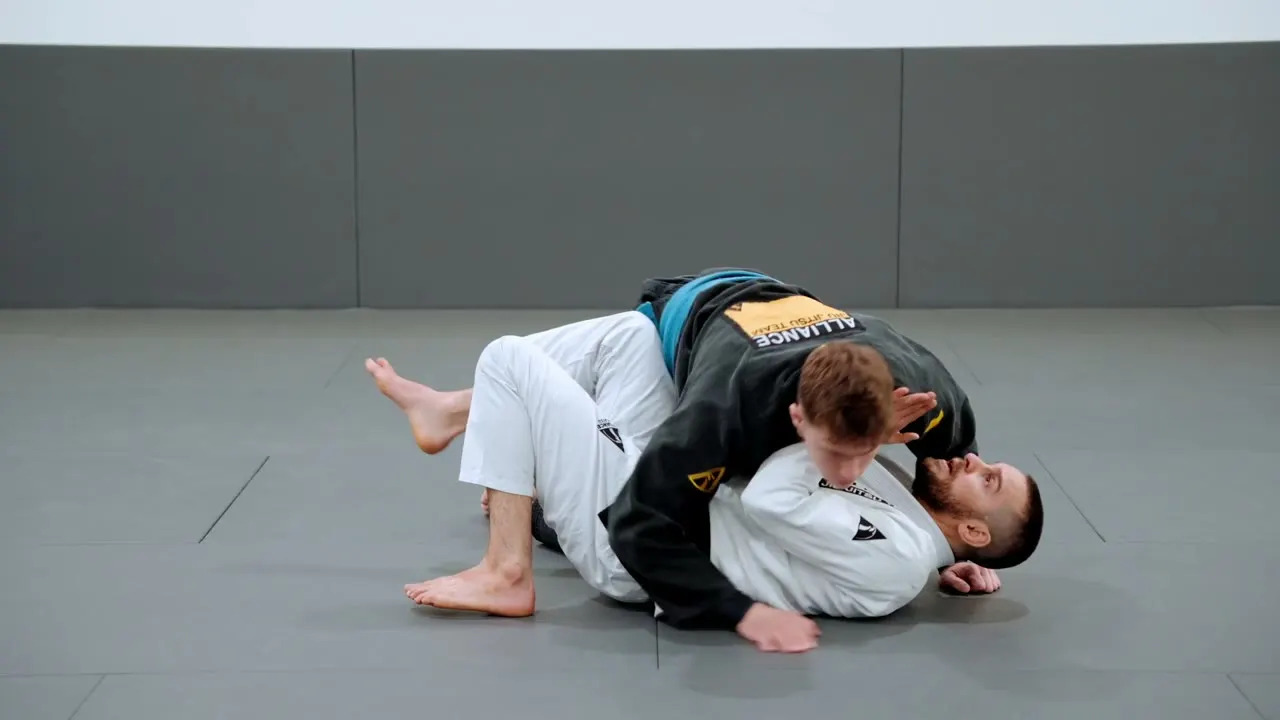

By Scott Flear, founder of JitsAI. Every technique links to our step-by-step page for it.
The best first BJJ techniques for a white belt are the side control and mount escapes, then the rear naked choke, armbar from mount, americana, kimura, triangle, guillotine and arm triangle. All eight are legal for adult white belts under IBJJF rules, start from positions you reach in most rounds, and build pressure slowly enough for a partner to tap. Learn one at a time and test it in sparring before adding the next.
In JitsAI, each of these can be a weekly Focus: you hunt it in sparring, log it by voice after class, and check it with AI video analysis of your rolls. A notebook works too.
How did we pick the first techniques?
Test 1
Legal at white belt
Not on the IBJJF’s illegal-moves table for adult white belts, so you can use it in class and at your first competition.
Test 2
Works from where you end up
It starts from the positions white belts spend most rounds in: under side control or mount, in closed guard, or on the back.
Test 3
Gives your partner time to tap
Applied slowly, it builds pressure gradually, so a training partner can tap before anything gives way.
Which BJJ techniques should a white belt learn first?
The order is a learning order, not a ranking: get out from underneath first, then learn the finishes from each position you reach.
Side control and mount escapes
You’ll spend most early rounds underneath, so this comes before any submission. It’s also the Focus JitsAI members pick most: 42% of 399 who had started a Focus chose Escape side control.
Go easy: Keep your elbows tucked and frame before you bridge. Open elbows hand your partner the underhook.
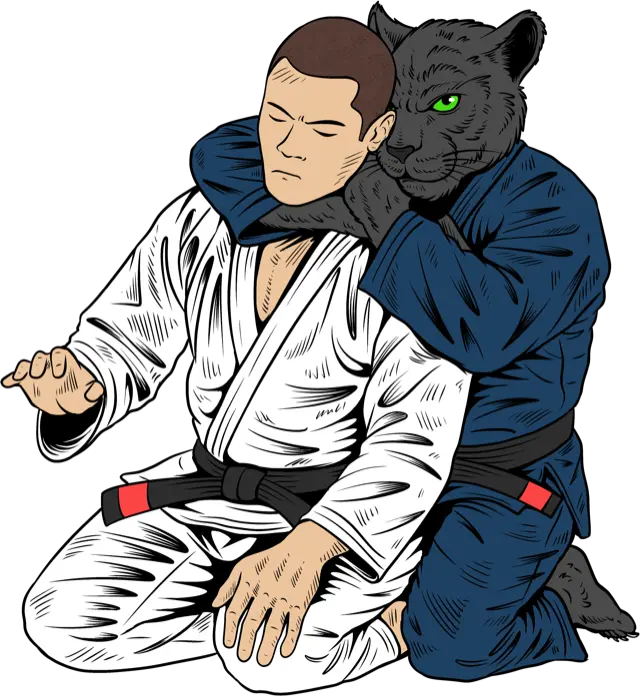
Rear naked choke
The finish from the most dominant position in the sport, with no gi needed. It teaches you to hold the back before you hunt the neck.
Go easy: It’s a blood choke. Once it’s fully locked, people go out in about 9 seconds on average, so squeeze slowly and let go on the tap.
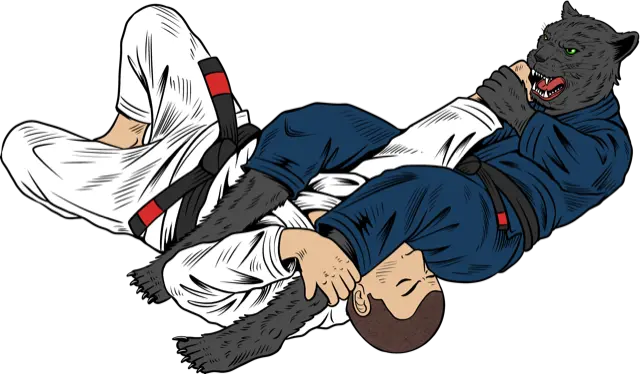
Armbar from mount
It teaches you to climb high in mount and use your hips as the pivot. It isn’t on the IBJJF illegal-moves table for any age or belt.
Go easy: Thumb up, lift your hips slowly. A small lift puts a lot of force on the elbow, fast.
Americana
It needs you to be heavy on top first, so it trains the pin as much as the finish.
Go easy: Slide the wrist down the mat slowly. It isn’t “the safe one”: it twists the shoulder and strains the inner elbow.
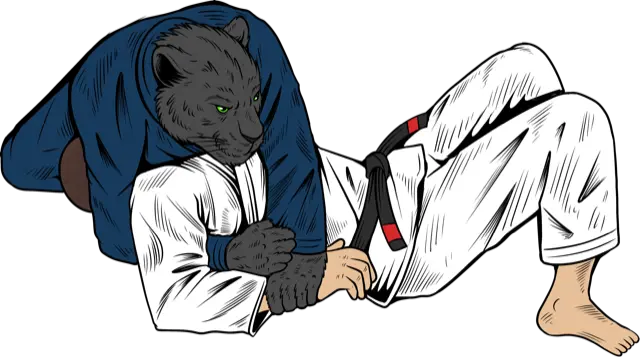
Kimura
One grip that works from top and bottom, and doubles as a way to control the arm when the finish isn’t there.
Go easy: Rotate slowly and stop the instant they tap. A forced kimura can injure the shoulder quickly.
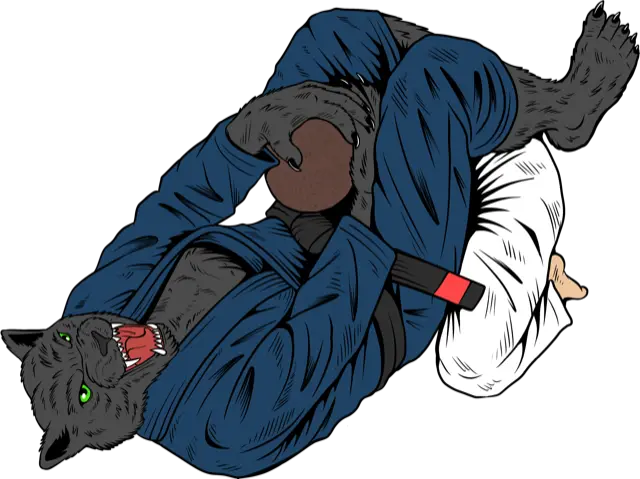
Triangle choke
Your best finish from your back: your thigh and their own shoulder close the neck, so it doesn’t rely on arm strength.
Go easy: Cut the angle before you squeeze. Banned only for the 4 to 12 and 13 to 15 age groups in the IBJJF, so adults can use it.
Guillotine choke
It catches the head-down takedown every new grappler shoots, and it works the same in no-gi.
Go easy: It’s hard on the throat. Tap early when you’re caught, and let go the moment your partner taps.
Arm triangle
When they push you off in mount, their arm across their own neck becomes the choke. It rewards weight and angle, not squeezing.
Go easy: Step off to the side your head is on and finish with your weight. Cranking with your arms doesn’t help.
Which techniques should white belts leave for later?
Leg locks beyond the straight foot lock, and wrist locks. Most aren’t legal for adult white belts at IBJJF events, and they’re hard to apply slowly enough for a new partner to tap in time.
| Technique | Rule at white belt |
|---|---|
| Heel hooks | IBJJF: legal only for adult brown and black belts in no-gi. |
| Knee bars and toe holds | IBJJF: legal only for adult brown and black belts. |
| Wrist locks | IBJJF: illegal for everyone under 18 and for adult white belts. |
| Straight foot lock | Legal for adult white belts, but learn it when your coach teaches it, not from a clip. |
What should you learn first if you started BJJ after 30?
- Favour chokes and pins. The rear naked choke and arm triangle let you finish with position and weight rather than speed.
- Tap early. Tap when a lock is on, not when it starts to hurt.
- Never crank. Apply every lock slowly and let go on the tap. If you have an injury or a health condition, check with your doctor and tell your coach.
How do you make one technique stick?
Pick one as your Focus
One technique for the week. Watch the lesson before class, then hunt it in every round.
Voice log after class
Say what you tried and on whom. JitsAI pulls out each attempt, whether it worked and the partner’s size and experience.
Check it on video
Upload a roll and the video analysis shows what went wrong and what to drill next. Your first analysis is free.
Not sure where to start? Our 12-week plan for beginners gives each week a Focus, beginning with these escapes.
What does a technique Focus look like in ?
Pick one technique from this list as your Focus. JitsAI pins the lesson, takes your voice log after class and tracks who it worked on.
- One Focus a week, with pinned lessons from Henrique Rezende’s 74-lesson fundamentals course.
- A nine-level ladder for every technique, from partners less experienced than you to more experienced ones, each split lighter, same weight and heavier.
- Land it once and it’s a hit; 3 wins across 2 sessions and it’s proven.
$1 for 7 days, then $39 a year.
iPhone and Android.
Pick ONE thing One position for the week: an escape, a guard, a sweep.
Test it on everyone A quick check-in after class: who each round was against, and whether it worked.
Hit, then proven Land it once and it’s a HIT. Three across two sessions and it’s PROVEN.
Know what works See what holds up, against whom, then pick your next Focus.
White belt technique questions
What is the first submission a white belt should learn?
The rear naked choke or the armbar from mount. Both finish from a dominant position, so learning them also teaches you to hold that position. Before either, learn to escape side control and mount: as a white belt you’ll spend most rounds underneath.
Can white belts do leg locks?
At IBJJF events, adult white belts can use the straight foot lock. Heel hooks, knee bars and toe holds are legal only for adult brown and black belts. Your gym’s rules come first, so ask your coach before you try any leg lock in sparring.
How many techniques should a white belt know?
Fewer than you’d think. One escape and one finish from each main position is plenty for the first months. Work one technique at a time until it works against resisting partners, then add the next.
Which techniques suit someone who started BJJ after 30?
Chokes and pins, applied slowly. Tap early when you’re caught, let go the moment your partner taps, and skip cranking anything. If you have an injury or a health condition, ask your doctor and tell your coach before you roll.
Should white belts learn chokes or joint locks first?
We’d start with chokes from dominant positions (the rear naked choke from the back, the arm triangle from mount) alongside the armbar from mount. A slow choke gives a partner time to tap. Any lock forced fast can hurt the joint before the tap comes, so go slowly with all of them.